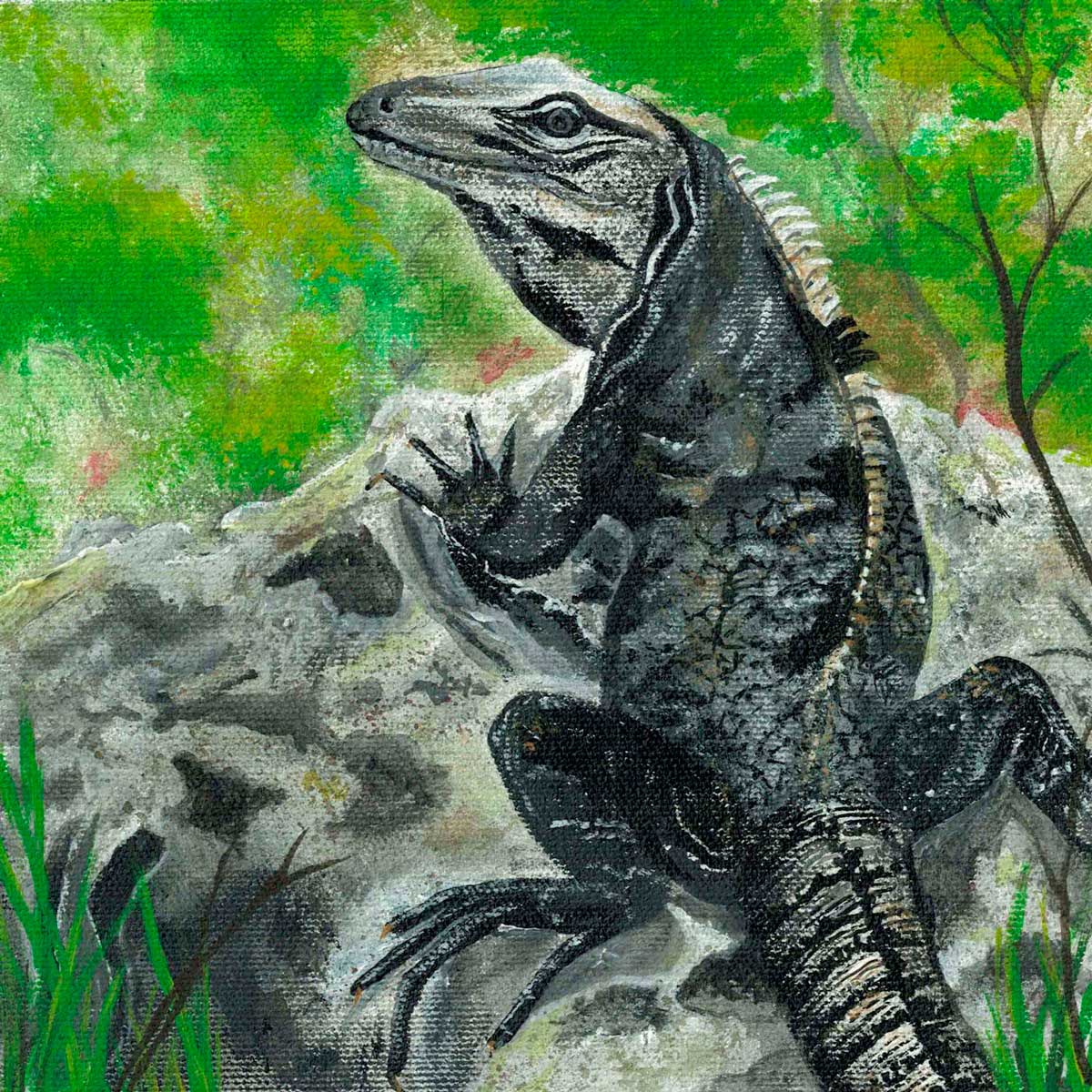
Black iguana
For the ancient Mayans, Itzamná, the iguana, represented the God of Wisdom, the inventor of science and knowledge.
Currently, the Black Iguana is considered a threatened species and therefore protected by Mexican Laws.
It is characterized by having a row of spines that run along its back from the base of the head to the tail, in addition to having a coloration on the skin, forming dark bands or rings.
It lives in hot-humid climates close to the sea, likes to eat vegetation, flowers and fruits and is territorial.
Its preservation is at risk, because of the impact on their habitats by human action, the consumption of their meat, their skin and their eggs.
Today it reminds us of the importance of conserving the ecosystems where they live, as a way of preserving life for future generations.
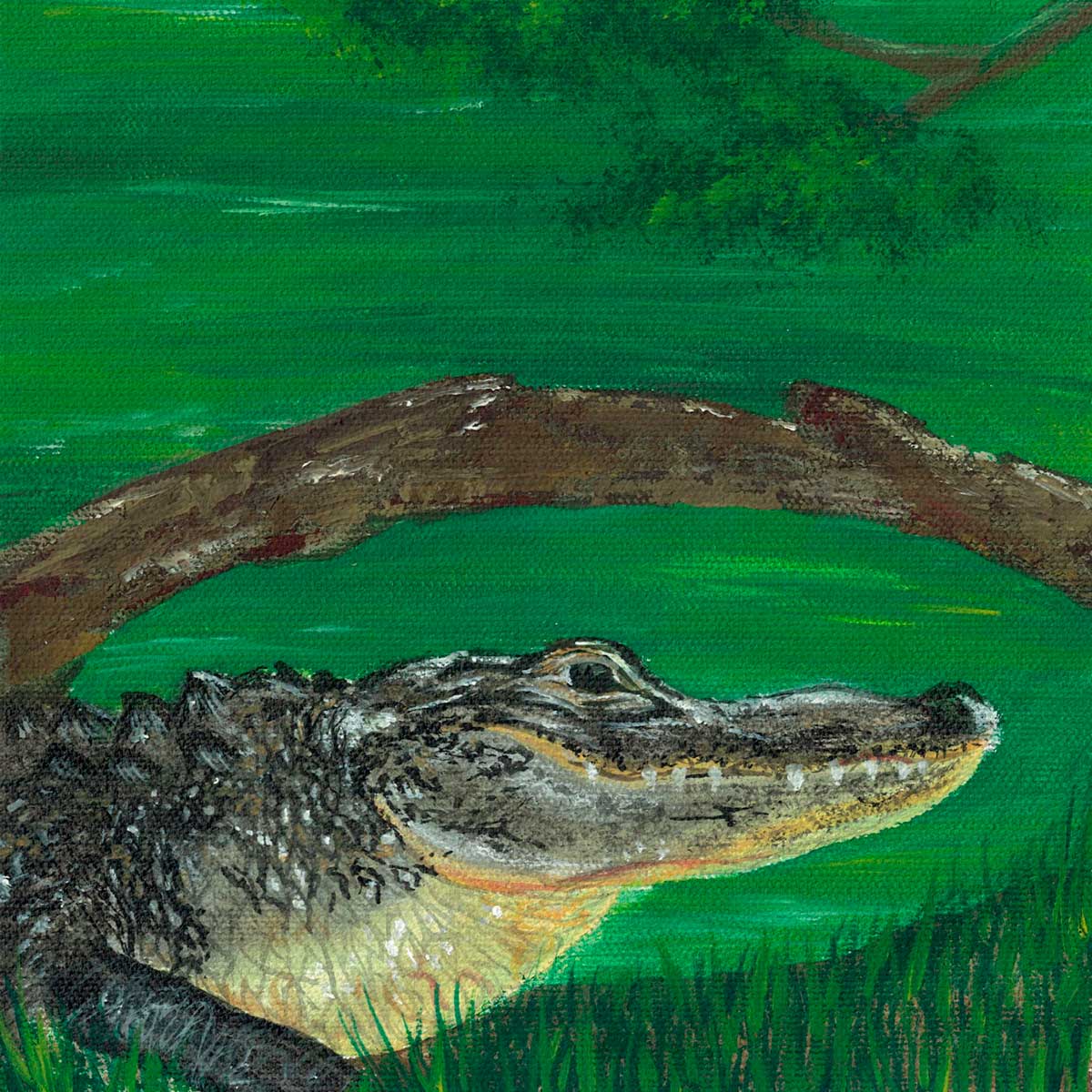
Swamp crocodile
Despite its fierce appearance, the crocodile has endured intense exploitation for more than a century, so today it's considered a threatened species, protected by Mexican Law.
It inhabits swamps, wetlands, or slow-flowing rivers. It feeds on small mammals, birds, other reptiles, amphibians and fish and can be up to 3.5 meters long.
The sacred book of the Mayas, Chilam Balam, tells that Itzam Cab Aín, the crocodile, is a protagonist in the history of the creation of life: the world rests on its thorax, its thick scales are the mountains and its jaws the entrance to the underworld.
This ancestral species, keeps in its memory the spirit of creation. Protecting them is preserving biodiversity.
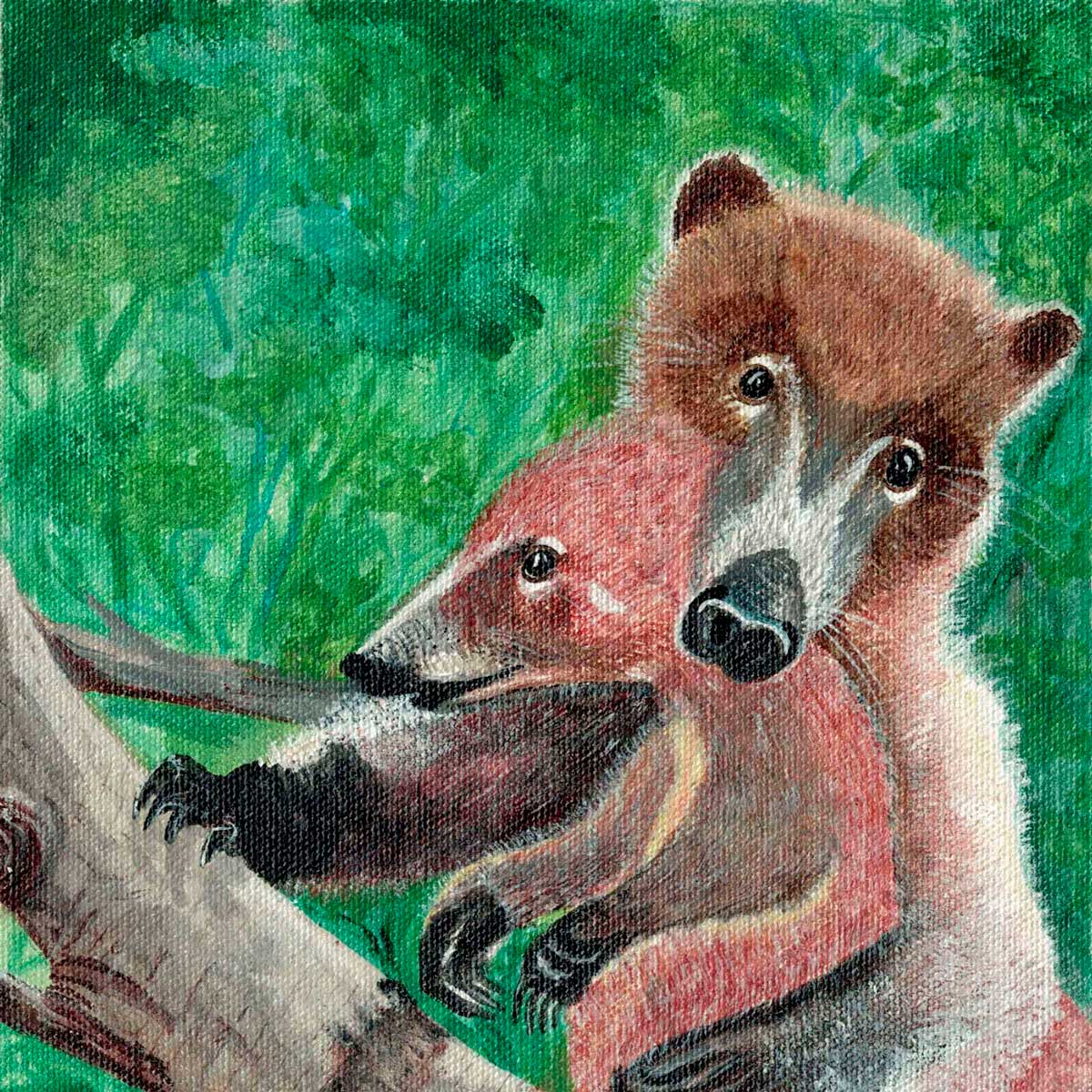
Coatí
The Coatí is also known as Mexican badger. It is a mammal that feeds on fruits, carrion, insects, and eggs.
Cousins of the raccoon, coatis are very friendly and curious, that´s why in the Mayan worldview they were considered as the clown or the joker. They are sociable, that´s why is easy for them to accept the human presence... but, if you find one, do not feed them! Their instinct is enough for them to find food.
It is common that you can see them in herds normally made up of adult females and their young.
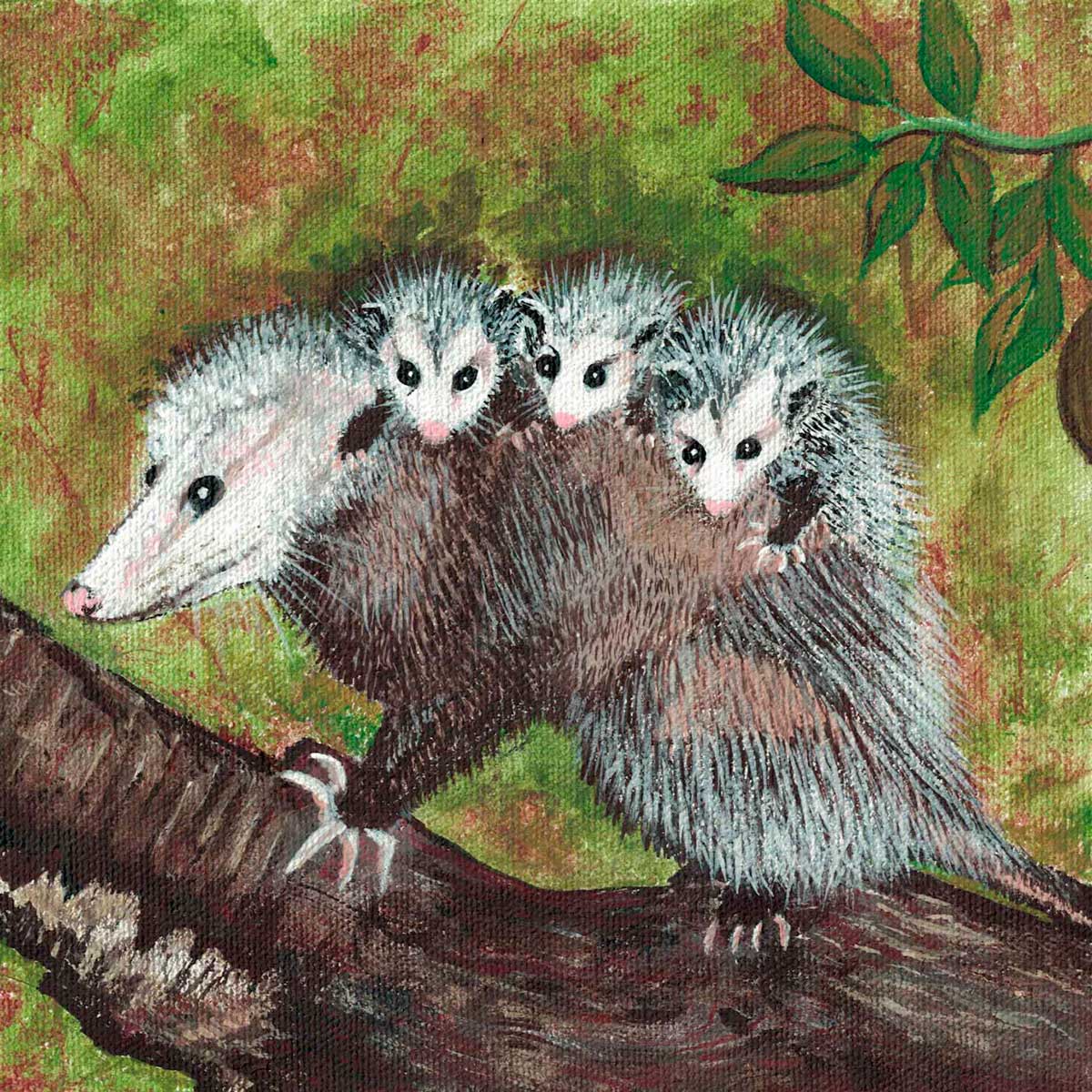
Opossum
The Opossum is the only marsupial in America, its ancestors are found from South America 3 million years ago, and it has evolved to adapt to inhabit North America.
It is nocturnal, solitary, and has the size of a house cat. Its tail is prehensile, and on its hind legs, has opposable thumbs.It feeds on insects and fruit.
As marsupials, when they are born, they take refuge in the marsupium adhering to a mother's nipple to feed, and they will stay there for 100 more days.
In the Mayan worldview, the Tlacuache was the bearer of fire. He stole it from the demons to bring it for the humans. Legend says that he took the fire with his tail, and hid the embers in the bag of the pouch. That´s why it´s tail is peeled. Others say that the Tlacuache stole the corn and painted it yellow and black so that "the woman of the fire" would not recognize it and the humans could feed themselves.
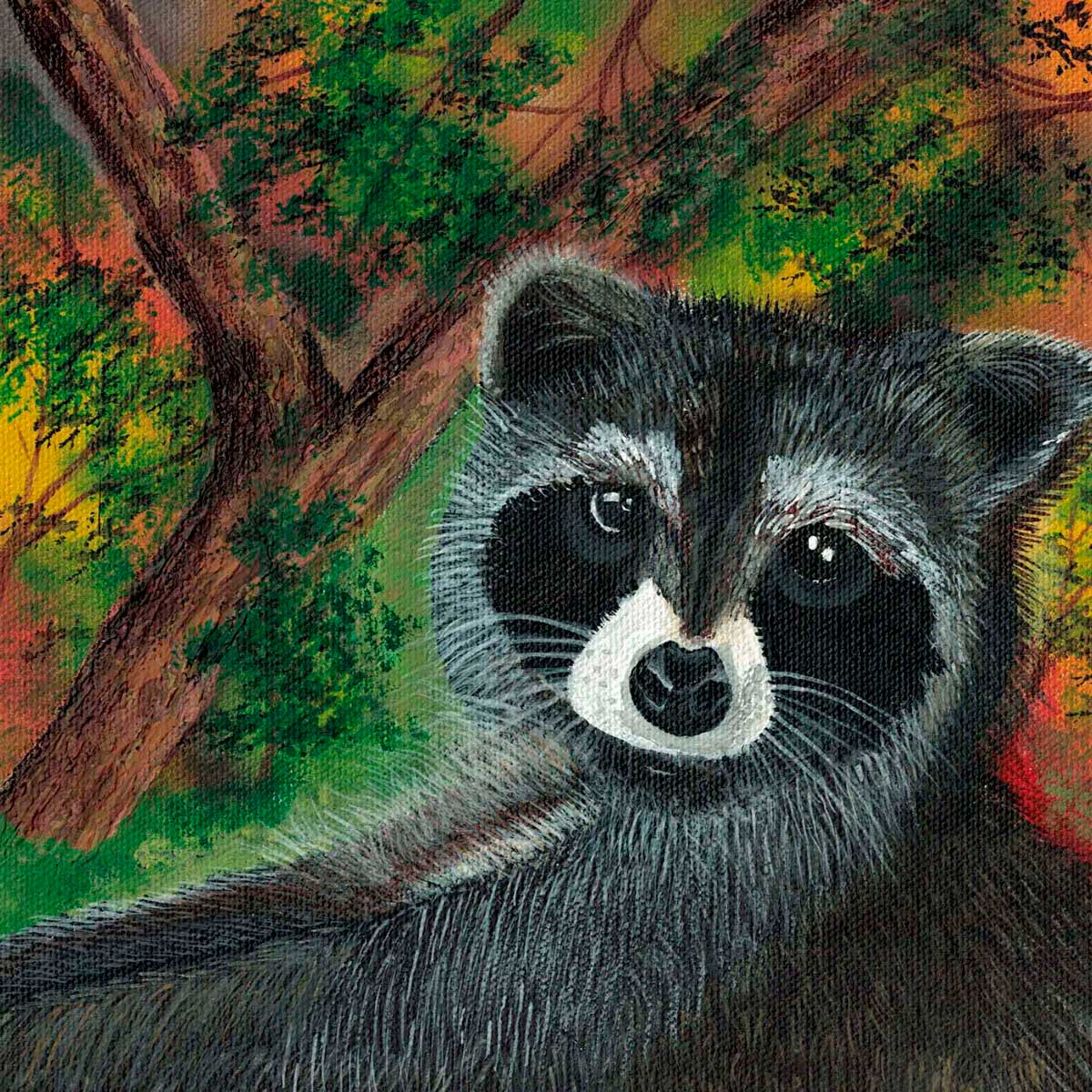
Raccoon
The raccoon is also known as the mangrove fox or the mangrove cat. It is a medium-sized, omnivorous mammal that can weigh between 5 and 15 kg.
Its coat is mostly dark and it shows a mask around the eyes.
Beware of the thief! In various Mayan stories, he appears like as a threat, cause he stole corn from the “milpa”.
Its name has pre-Hispanic origin, it comes from "mapachtli" which in Nahuatl means: the one who takes everything in his hands.
This curious little animal is distributed from Canada to Colombia and lives in habitats associated with wetlands and streams.
Follow their footprints, which are unmistakable, they look like the small hands of a child!
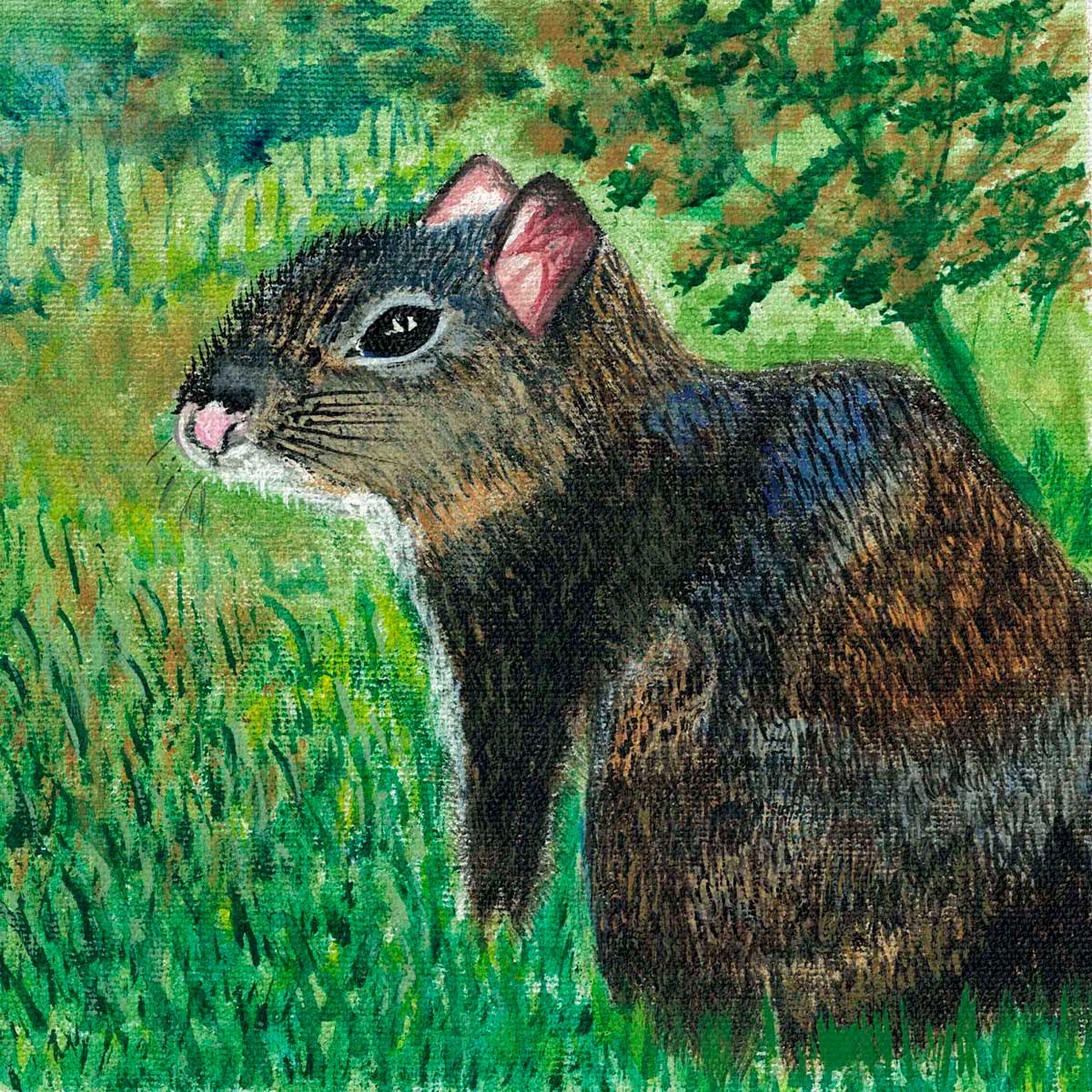
Sereque
This friendly rodent, with reddish brown fur, feeds on fruits and seeds, which it keeps in its territory for times of scarcity. It measures between 42 and 62 cm and weighs 2 to 3 kg.
The Sereque, is important for the dynamics of ecosystems, because they carry seeds from one place to another throughout the territory, wich helps with the seeds dispersal.
This happens because they collect the fruit where they found it. To eat it, they take it to a safe place, leaving the seeds there.
Thus, we can understand how each animal within the ecosystem has a necessary function and contributes to the ecological balance and the preservation of biodiversity

Cinnamon hummingbird
The Hummingbird is a very small bird, it can measure up to 9.5 cm and weigh 4.8 grams. Although there are many types and colors, the cinnamon hummingbird is green, tanned on the crown, face and back.
He flaps 80 times per second! That´s why it seems as if it is suspended in midair.
Hummingbirds have a special mission for life on the planet! Like bees and butterflies, are pollinators.
Those who know, say that the Gods when creating the earth, they needed a swift messenger. They took a jade stone and carved an arrow, a very small one. And when it was ready, they blew on it and the little arrow flew out, that's how they had created the "X ts'unu'um", the hummingbird.
Think well and wish good things for everyone. Just in case the hummingbird passes your way and takes your thoughts as a message...
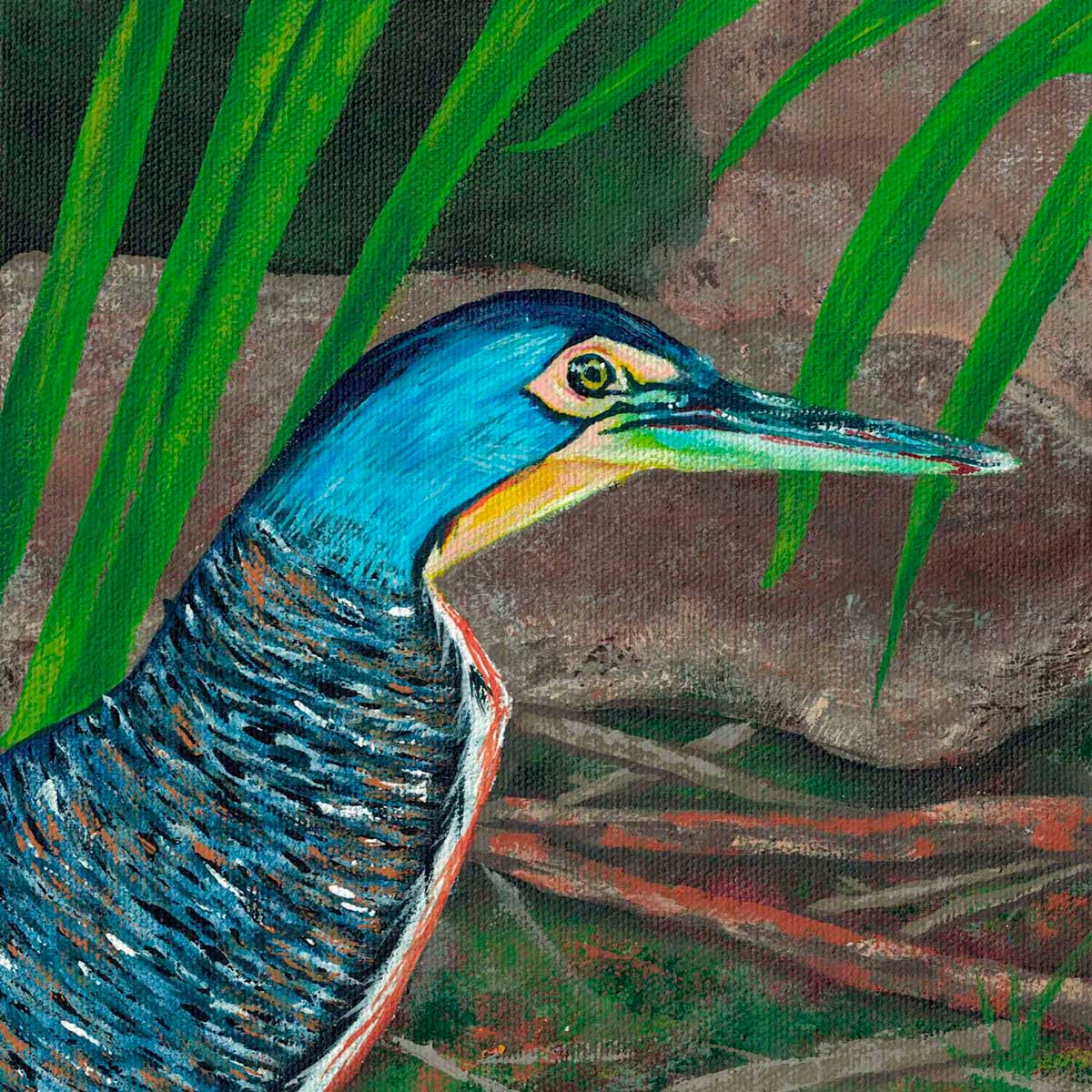
Tiger heron
Mangroves are inhabited by various species of reptiles, mammals and birds, including the famous Tiger Heron.
This interesting bird measures up to 80 centimeters and can weigh up to 1.2 kg. It is found in Mexico, Central America and even northern Colombia.
Its featherless yellow throat and thick neck are characteristic. It feeds on fish, frogs and small crocodiles and makes its nest in trees, leaving 2 or 3 eggs.
Due to its aquatic habits and living in spaces close to water, the Tiger Heron has a place in the heart of the sacred. According to the Mayan worldview it is associated with the God Chaac, deity of rain.
So if you are lucky, you will watch them here, among the conservation areas. The Tiger Heron is protected by Mexican laws, considered for special protection.
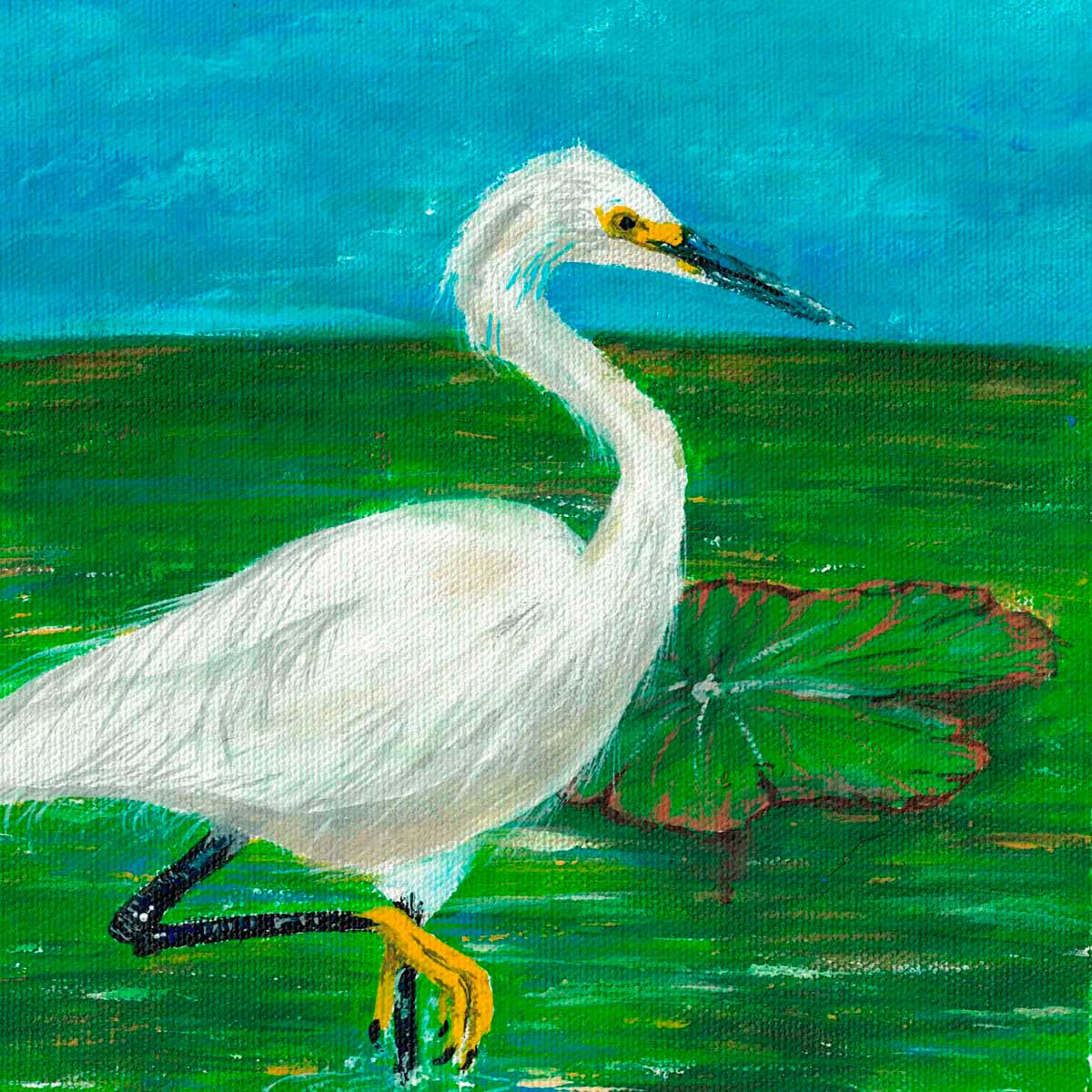
White Heron
About a dozen species of birds have been observed in the Mayan codices, such as the White Heron, which represents lightness, liberation and was considered a living image of divine freedom.
With these characteristics, the white heron is an emblematic character of life in wetlands, where it lives and shares the territory with other species of herons.
It is common to watch them in large groups, resting on the treetops, and hopefully between October and December, you will be able to observe its nesting.
Its presence indicates the good state of conservation of the mangroves where it lives.
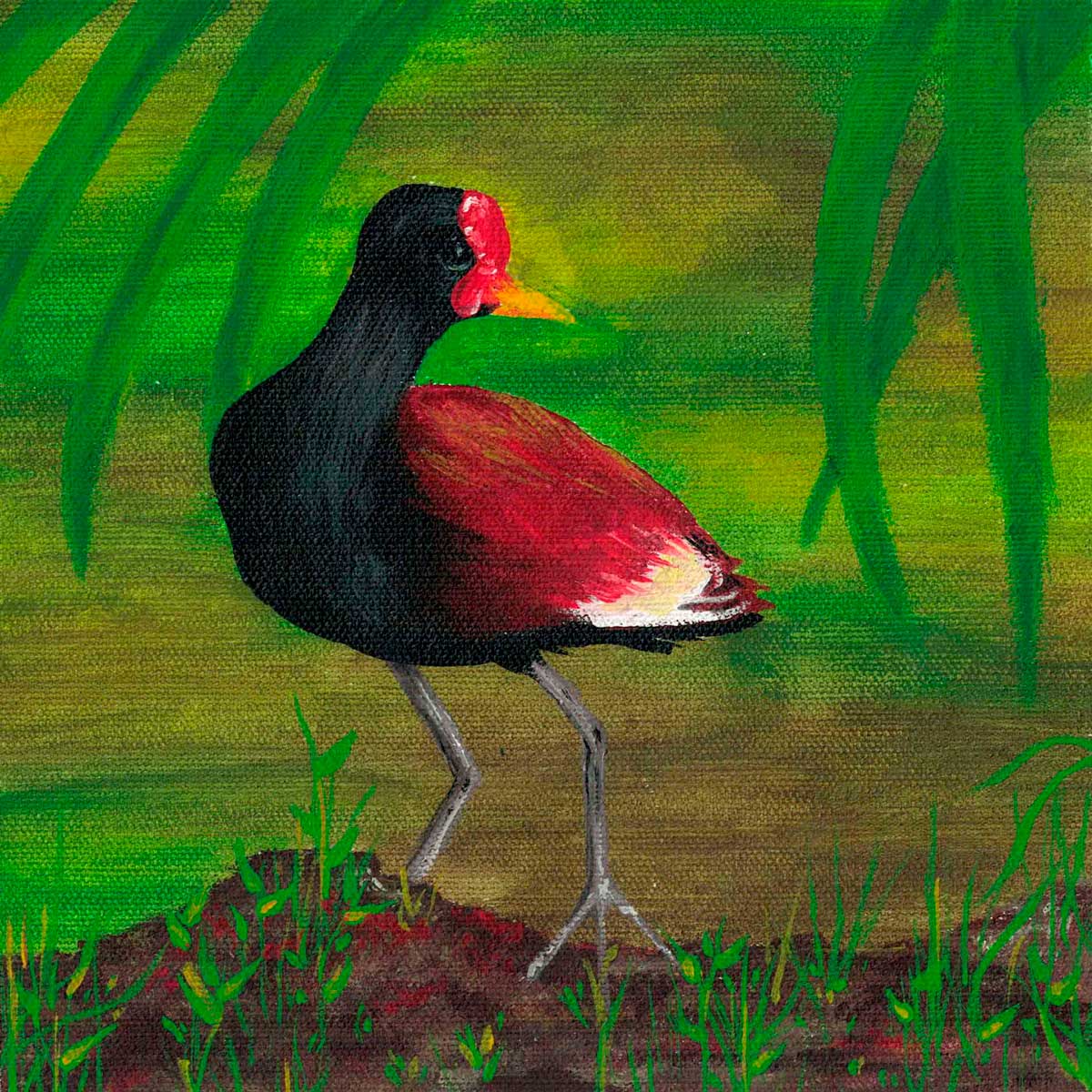
Jacana
The Jacana is also known as Tuqui Tuqui, swamp cock or Pespita, it inhabits the wetlands of Central America, especially marshy areas, river banks, lakes and lagoons with floating vegetation at water level.
It reproduces between October and January. The male is the one to build the nest, incubate and take care of the chicks.
And so, during creation, the ancient Mayan Gods ordered: "... bird, you will live in the trees and you will fly through the air, you will reach the region of the clouds, you will touch the transparency of the sky and you will not be afraid of falling [...] and the birds made their nests among the branches. " (Popol Vuh).
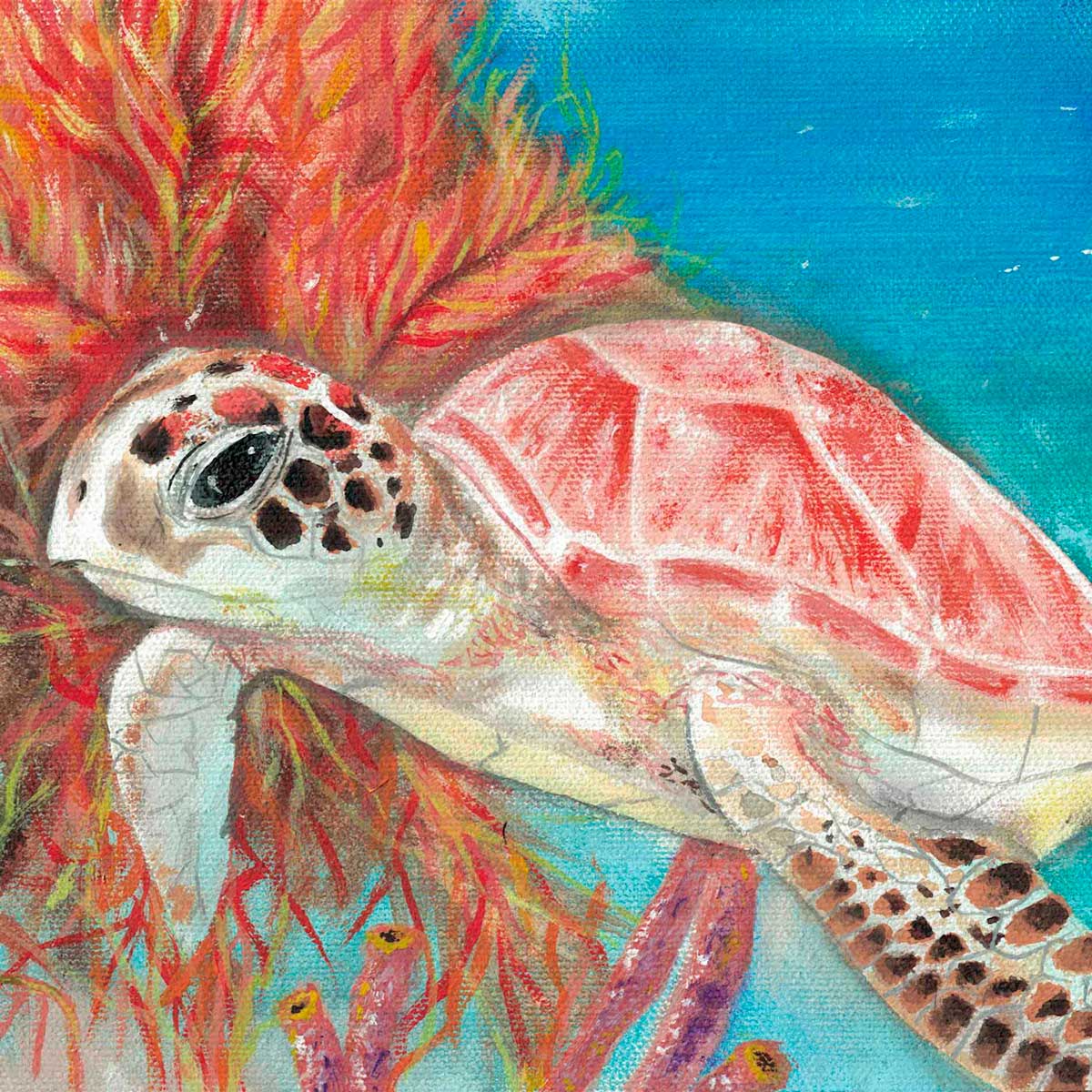
Sea Turtle
Every year, from may to october, sea turtles arrive in the Mexican Caribbean to stay among the reef and visit our beaches to lay their nests. Of the 7 species that exist in the world, 4 arrive in Quintana Roo: White Turtle, Hawksbill Turtle, Loggerhead Turtle and Leatherback Turtle.
Did you know that out of every 1000 (thousand) offspring, only one will reach adulthood and therefore reproduce? That´s why they are considered as endangered species.
For the Mayans, these travelers who swim around the world, represent fertility, longevity, and good luck.
If you are looking for a turtle in the sea, try it in the sky too. There, near the Orion Constellation, the face of AK EK, the legendary tortoise of the stars, will appear.